Can I Still Get Value If I Lost My Rolex Papers?
Yes—a Rolex can still have meaningful resale or borrowing value without its original papers. Missing papers do not automatically make a watch fake, worthless, or impossible to sell. They do make documentation, condition, and a careful evaluation more important. The right next step depends on whether you want to sell, borrow against the watch, or simply find out what it is worth.
That distinction matters if you’re a creative worker. A production check may arrive weeks after the invoice, a client may push a payment date, and your income can look uneven from month to month even when your business is healthy. If cash is tight, it’s tempting to treat a valuable watch like an emergency fund. But a quick offer is not always a good offer—and a loan secured by a Rolex still has repayment terms and real consequences.
Here’s a practical playbook for figuring out what your watch may be worth, what the missing papers change, and how to compare selling with asset-backed lending.
First, what do Rolex “papers” actually do?
People usually mean the original warranty card or certificate when they say a Rolex’s papers are missing. Depending on the watch and when it was sold, a set may also include booklets, tags, a receipt, or a service record. The original box is separate from the papers.
These items can bridge loan for freelancers help establish a watch’s history and make a future buyer more comfortable. They are not, on their own, proof that a watch is genuine: boxes and documents can be separated from watches, altered, or copied. A qualified evaluator looks at the watch itself, including its reference and serial numbers, movement, components, condition, and consistency with the model.
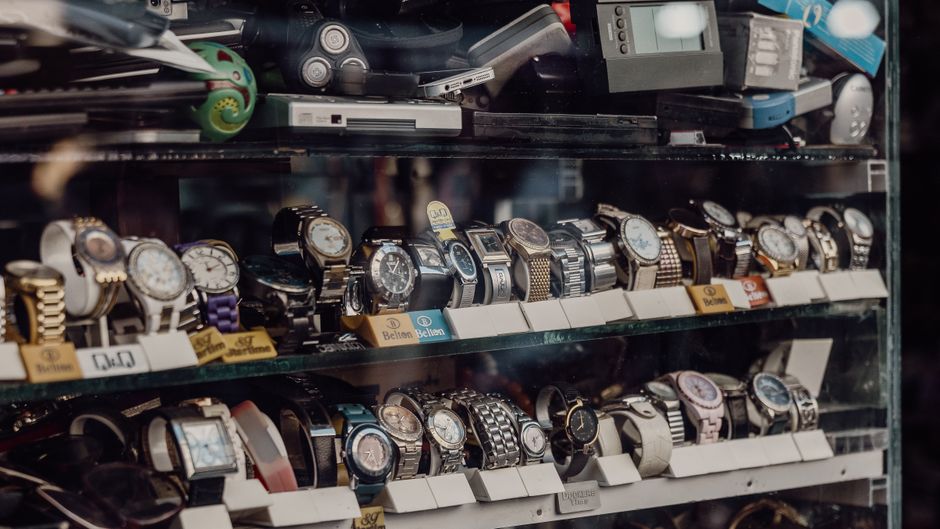
So, box and papers not required is a fair starting point for many transactions—but it should not be mistaken for “papers never matter.” For some references or buyers, a complete set may help the watch sell faster or command a better price. How much that affects an offer depends on the specific model, market demand, condition, and what can be verified.
Why a missing set doesn’t automatically erase the value
Rolex watches are widely traded, and sought-after models can attract buyers even when the original documents are gone. That gives some Rolex watches a degree of liquidity: there may be an active market where a watch can be evaluated, offered for sale, or used as collateral. But liquidity is not the same as instant cash at the price you hoped for. A dealer or lender has to account for resale demand, authentication, operating costs, and the risk of holding the watch.

Market conditions move, too. As an example of how a small market change can affect expectations, consider Rolex secondary-market prices rising 1.7% in Q1 2026. That kind of movement is useful context, not a promise that any particular watch gained 1.7% in value. A broad market figure can differ from the price offered for a specific reference, especially if the watch has heavy wear, aftermarket parts, missing links, or an uncertain service history.
Buyers also do not all value the same things in the same way. One may care most about the reference, condition, and current demand; another may put more weight on a complete set and documented service history. That’s why the best estimate is not a single online price. It’s a genuine rolex evaluation based on the actual watch and a clear explanation of how the offer was calculated.
A playbook for checking your Rolex’s value
Step 1: Gather what you still have
Before contacting a buyer or lender, collect the watch, box if available, spare links, receipts, service records, and any prior insurance appraisal. Don’t delay an evaluation because you cannot find every item. Just be accurate about what is and isn’t included.
Do not try to replace missing papers with documents you can’t verify, and don’t open the watch yourself. Keep the watch in its current state until an expert advises whether cleaning or servicing makes sense. An unnecessary polish or repair can cost money without improving an offer—and may affect the watch’s originality.
Step 2: Record the details without taking the watch apart
Write down the model or reference number if you know it, approximate purchase date, service history, and any known repairs. Note visible wear, whether the bracelet has all its links, and whether you have the original box. Clear photos can help with an initial conversation, but photos alone cannot establish authenticity or a final value.
If you do not know the reference or cannot locate a serial number, say so. A professional can explain what can be checked safely during an in-person inspection. Avoid posting serial-number details publicly; share them only through an appropriate, trusted process.
Step 3: Ask how authentication and valuation work
Ask the evaluator what they inspect, whether the watch needs to be opened, how long the review takes, and whether there is a fee. A credible authentication and valuation process should distinguish between confirming authenticity and estimating a market price. It should also explain any deductions for condition, missing components, repairs, or incomplete documentation.
Ask whether the estimate is a retail asking price, a dealer purchase offer, or a loan amount. Those are different numbers. A listed price online is not the same as what a buyer will pay today, and a loan offer is not a sale price.
Step 4: Compare more than one option
Get at least two independent opinions when practical. Some businesses provide global secondary market pricing visibility, which can help show how comparable watches are moving across markets. Treat pricing data as a reference, not a guaranteed offer: the comparison is useful only if the watches are genuinely similar in model, condition, configuration, and documentation.
For a local in-person conversation, Los Angeles has specialist businesses and luxury retail corridors, including Beverly Hills and N. Camden Drive. A storefront or polished website is not a substitute for checking the written terms, understanding the inspection, and comparing the net amount you would actually receive.
Sell without papers or borrow against the watch?
If you want cash and do not want an ongoing obligation, you may be able to sell without papers. The buyer will typically evaluate the watch and make an offer based on its condition and marketability. Selling ends your ownership, so take time to understand whether the offer is final, how payment is made, and whether the watch can be returned if you decline.
Asset-backed lending works differently. A lender considers the watch collateral for a loan. You keep the right to get it back by repaying under the agreement, but the watch may be held during the loan. If you miss the repayment deadline or do not meet the contract terms, you could lose it. Review the annualized cost, fees, repayment dates, grace periods, and default process before signing.
Diamond Banc is one example of a company people may contact to ask about luxury-asset financing or a purchase option. Compare its written offer and terms with other providers; do not assume a loan is automatically cheaper or more flexible than selling. A quote should be evaluated on the amount you receive, total cost, and what happens if a client pays you late.
Option What you receive Main trade-off Questions to ask Sell the watch A purchase payment You give up ownership permanently Is the offer final? What is the net amount? When and how will you be paid? Borrow against it A loan secured by the watch You owe repayment and may lose the watch if you default What is the total cost? When is repayment due? What are the default terms? Wait and keep it No immediate cash You remain exposed to future price changes and carrying costs Do you have a real cash-flow plan, or are you waiting on a price you can’t predict?Why a bank may say no—even if you own a valuable watch
Traditional banks generally underwrite a borrower’s ability to make scheduled payments. They often want a documented income history, regular deposits, tax returns, and a predictable debt-to-income picture. That can fit a salaried worker with steady pay stubs better than a freelance editor, stylist, photographer, or producer whose income arrives in bursts.
That does not mean a creative is financially irresponsible. It means the bank’s usual process may not capture the timing reality: a large invoice can be approved but unpaid, a project can wrap before the final installment arrives, and a slow month can follow a strong one. Morgan Stanley and other traditional wealth and financial firms may offer broader financial services, but a standard banking or credit review still has its own documentation and approval rules. Don’t assume that owning a luxury asset guarantees a loan from a bank.
Asset-backed lending puts more focus on the collateral than a conventional unsecured personal loan, but the lender still sets terms and assesses risk. It is not “free money” and it does not eliminate the need for a repayment plan. Before pledging a watch, line up the expected repayment source and date. If your plan is simply “the next check should show up,” build in room for it to arrive late.
Keep the cash-flow decision separate from the watch’s value
When a payment is overdue, a high-interest credit card can feel like the fastest bridge. It is also a common bad default: interest and fees can grow while you’re waiting for a client to pay. A Rolex loan may have a different cost structure, but it can put an irreplaceable asset at risk. Compare the actual total cost and consequences rather than assuming either option is harmless.
Before you choose, write down the amount you need, the date you need it, and the most realistic date you can repay it. Then ask whether the cash need is temporary or recurring. If every month ends with a shortfall, borrowing against the watch may postpone a larger cash-flow problem instead of solving it.
Some creatives also use a separate tax account, request deposits before work begins, set invoice milestones, and follow up on overdue payments in writing. Those habits won’t make income perfectly predictable, but they can make timing less punishing. The Los Angeles Tribune and other business publications often cover entrepreneurship and personal finance; use general advice as a prompt to examine your own contract dates, not as a replacement for reviewing your loan agreement.
Red flags to watch for
- Pressure to decide immediately: A legitimate evaluation should allow time to read the offer and compare options.
- Unclear authentication: Ask what was inspected and what the business can confirm. A confident tone alone is not proof.
- One number with no explanation: Ask how condition, reference, missing papers, and comparable sales affected the offer.
- Loan terms you can’t summarize: If you cannot explain the fees, due date, repayment amount, and default outcome, pause before signing.
- Promises about future prices: Past market movement does not guarantee future appreciation or a specific resale amount.
The bottom line
Losing your Rolex papers does not automatically destroy the watch’s value. The original documents may improve confidence and, in some cases, marketability, but the watch can still be evaluated on its own. A reliable process checks authenticity, condition, configuration, and demand, then explains the difference between a sale offer and a loan offer.
Use this playbook: gather the pieces you still have, request a genuine Rolex evaluation, compare independent offers, and read every lending term before pledging the watch. For creatives with uneven income, the key question is not just “How much can I get?” It is “What will this cost, when will I owe it, and can I repay on time even if the next check arrives late?”