What Is Variable Ratio Reinforcement and Why Is It So Addictive?
If you’ve ever played a slot machine or checked your brokerage app obsessively—especially one that offers weekly options trading—you’ve encountered the power of variable ratio reinforcement. This concept, rooted deeply in behavioral psychology and finance, explains why some trading platforms and casino games grab your attention and keep it for far longer than reason would suggest.
In this post, we’ll dissect variable ratio reinforcement, link it to slot machine psychology, and then lay out why certain trading tools—particularly those involving weekly options—can trigger addictive behaviors. We’ll challenge common misconceptions about “risk” and clarify why expected value (EV), not just the “vibe,” is the real dividing line between smart long-term investing and negative expected value gambling-like activities.
Defining Variable Ratio Reinforcement
Variable ratio reinforcement is a behavioral conditioning schedule where rewards are given after an unpredictable number of responses. Slot machines are the classic example: sometimes you win on the first pull, sometimes after several plays—no way to predict exactly when.
This uncertainty creates powerful psychological hooks. It’s different from fixed ratio reinforcement—where rewards come after a known number of actions—which becomes predictable and less compelling over time.
Why Variable Ratio Is So Effective
- Unpredictability sparks dopamine: You don’t know when the next win arrives, but you expect it eventually. That anticipation releases dopamine, reinforcing the behavior.
- Resistance to extinction: Because rewards come unpredictably, behavior persists longer even after rewards become less frequent.
- compulsion and urgency: Players develop habits of continuous action, driven by the “next win could be right around the corner” mindset.
Slot Machine Psychology — The Gold Standard of Variable Ratio Reinforcement
Slot machines maximize variable ratio reinforcement. Modern models even update visuals and sounds—bells ringing, flashing lights, confetti—to amplify excitement. Importantly, casinos publish the RTP (Return To Player) percentage, a transparency mechanism that reveals, on average, how much of the wagered money will be returned to players over the long term.
This transparency is rare outside gambling.
Transparency: Real Returns vs Hidden Costs
In casinos, you *know* you’re playing a negative expected value (EV) game because RTP is published—often between 85% to 98%. The sign in front of the number is negative, indicating you’ll lose over time on average.
Contrast this with many brokerage apps selling products like weekly options. They obscure or hide analogs to RTP, such as:
- Theta decay: Options lose value as time passes, often benefiting the seller, not the buyer.
- Assignment risk: Early exercise can complicate or cost money unexpectedly.
- Spreads and commissions: Bid-ask spreads and fees can pare into returns, hiding true costs.
These factors combine into a negative expected value environment much like a casino, but without the clarity of published RTP figures. This lack of transparency is a serious problem because it fuels behavioral finance triggers without a realistic understanding of odds.
Brokerage Apps with Weekly Options: Variable Ratio Reinforcement on Steroids
Apps that let you purchase cheap weekly options replicate slot machine dynamics:
- Rapid, repeatable actions: You can buy and sell options many times within a week, mimicking fast betting cycles.
- Immediate feedback loops: Prices jump every minute, showing frequent “wins” or “losses” with dopamine-releasing market excitement.
- Potential “jackpot” results: Large percentage gains on risk are psychologically similar to hitting a slot jackpot.
Despite this, the underlying math isn’t in your favor as an options buyer:
Mechanic Effect on Expected Value (EV) Visibility to Trader Theta Decay Negative EV as option value drops daily when underlying doesn’t move Hidden; often misunderstood or ignored Assignment Risk Potential unexpected losses if exercised early, increasing downside Opaque; many retail traders underestimate this risk Spreads & Commissions Takes a cut on each trade, reducing net returns Often hidden in order execution or bundledNone of these costs come with clear “RTP” figures for retail traders. Instead, the app’s flashy UI and frequent notifications reinforce action through variable ratio-like reward schedules.
Expected Value: The Real Dividing Line
One of the most frustrating trends in retail investing education is the overuse of the word “risk” without addressing expected value. Stop. The sign in front of the number matters. Just knowing something is “risky” isn’t enough; whether you expect to win or lose money on average is the crucial factor.

Positive EV products: Broad equity ownership via index funds or diversified ETFs. Historically, the stock market has had a positive expected value over the long term. The law of large numbers smooths out short-term variability.
Negative EV products: Most casino games, including slot machines, feature a house edge—guaranteed negative EV. Similarly, poorly informed options speculation with short expirations tends toward negative expected value due to costs and decay.
Law of Large Numbers and Time Horizon
The longer you keep playing a positive EV game, the more your results converge on expected profits. This is the law of large numbers. It requires:
- A sufficiently large sample size (time or number of trades)
- Independent, identically distributed outcomes to avoid skewed results
Slot machines and weekly options trading fail on these points:
- Their outcomes aren’t independent because the trader’s changing strategies and market behaviors affect results.
- Time horizons are forced to be short because options expire weekly.
Traders https://thinkaora.com/luck-is-not-a-plan-where-investing-and-games-of-chance-actually-differ/ act in a hurry and chase quick wins, essentially turning their behavior into a variable ratio betting schedule with a negative expected value—perfectly designed to induce addictive behavior.
Why This Matters for Everyday Investors
Understanding variable ratio reinforcement and the underlying expected value economics guards you against falling into casino-like traps disguised as trading opportunities.
- Don’t chase the next “jackpot” in weekly options: The sign in front of the expected value number is negative, meaning the house app wins.
- Demand transparency: Seek platforms that clearly show fees, option decay effects, and assignment risks in dollar terms, not just “confetti” notifications and flashy wins.
- Focus on long-term positive EV strategies: Broad equity-based investing, held long enough to let the law of large numbers work in your favor.
Conclusion
Variable ratio reinforcement explains why products ranging from classic slot machines to modern weekly options-selling brokerage apps hook users in. The unpredictable and frequent rewards stimulate behavioral finance triggers that are hard to resist.
But the sign in front of the expected value number is the true dividing line: Is this a positive EV activity or a negative EV trap? While broad equity ownership offers positive expected returns over time, short-dated options buying through flashy apps often do the opposite.
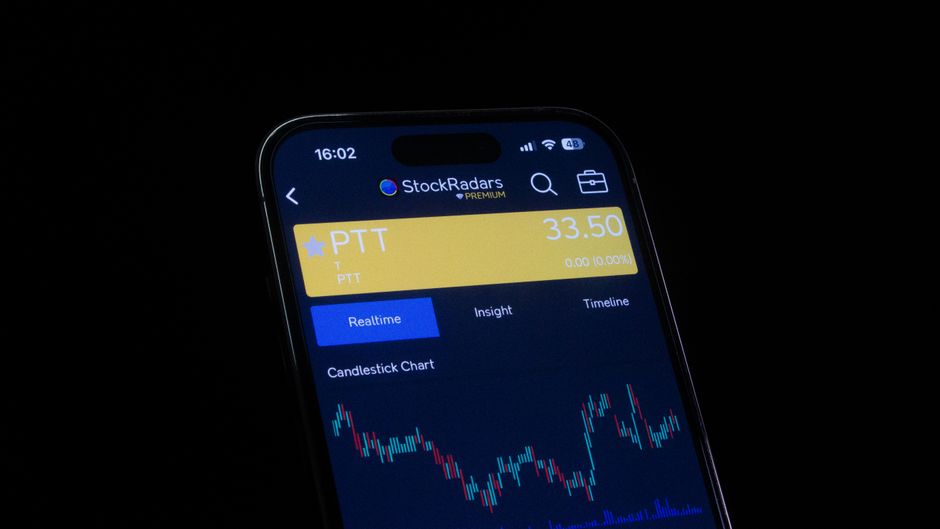
Without transparency about costs like theta decay, assignment risks, spreads, and commissions, retail traders are gambling blind. The addictive psychology combined with negative expected value creates a perfect storm for financial harm.
Remember: The game is designed to keep you playing. Knowing the math—not just the vibes—lets you decide when to walk away.