Why Do People Say “We’re Insured” but Still End Up Paying Tens of Thousands?
After a hurricane, a homeowner may have a valid policy, a covered loss, and a claim in progress—and still need tens of thousands of dollars they didn’t expect to pay. That’s not necessarily a contradiction. Insurance can cover much of a loss while leaving a large deductible, uncovered costs, and urgent bills that must be paid before the claim is settled.
After 11 years handling hurricane and water-loss claims across South Florida, I’ve seen how easily “we’re insured” gets mistaken for “we have the cash to recover.” Those are different things. The gap between them—the deductible gap—can be especially hard to manage when storm disruption affects contractors, banks, and the timing of insurance payments all at once.
This article explains how percentage-based hurricane deductibles work, why out-of-pocket costs can grow, and how to think about emergency liquidity without counting on credit that may not be available when you need it.
Insurance Is Not the Same as Immediate Cash
A homeowners policy is a contract that may pay for covered damage, subject to its terms, limits, exclusions, and deductibles. It is not necessarily a promise to pay the full repair bill—or to pay it immediately.
Following a storm, you might have several expenses before the claim is resolved: emergency water removal, temporary repairs, a deposit to secure a contractor, materials, lodging, or replacement items. Some costs may be reimbursable, some may not be covered, and some may depend on documentation or approval. Meanwhile, the insurer may need time to inspect the damage, review estimates, and determine what the policy owes.. Pretty simple.
That creates two separate questions:
- What is the policy expected to cover?
- How much cash will the household need, and when?
Even if the eventual claim payment is substantial, a family can face a serious cash-flow problem while waiting. That timing issue is one reason a household can be insured and still feel financially exposed.
Florida Hurricane Deductibles Can Be Percentage-Based
In Florida, hurricane deductibles are commonly written as a percentage of a home’s insured dwelling value, rather than as a small fixed dollar amount. The exact rules and policy language matter, so homeowners should check their declarations page and ask their insurer or agent how the deductible applies to their specific policy.
Common hurricane deductible options: 2%, 5%, 10%.
Here is a simplified example using a home with $500,000 in dwelling coverage:
Hurricane deductible Illustrative calculation Amount before insurance contributes to covered damage 2% 2% × $500,000 $10,000 5% 5% × $500,000 $25,000 10% 10% × $500,000 $50,000This table is an illustration, not a coverage determination. The deductible base, trigger, and application can depend on the policy and circumstances of the loss. Don’t assume a percentage is applied to the storm damage estimate; check the policy documents or get a clear explanation from your insurer.
Still, the basic arithmetic is why deductible math can create a five-figure cash gap. A 5% deductible on $500,000 of home equity line disaster area dwelling coverage is $25,000. If a family has only a few thousand dollars in accessible savings, that amount can be difficult even before considering costs the policy does not cover.
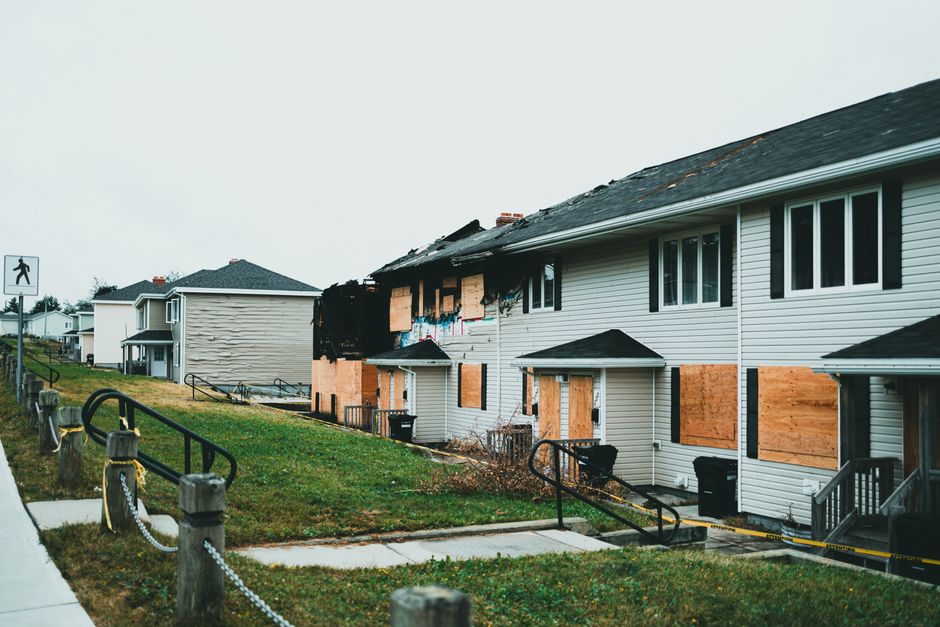
The Deductible Is Only One Part of Out-of-Pocket Costs
The deductible is often the largest and easiest-to-spot expense, but it may not be the only one. The final out-of-pocket amount depends on policy details, damage, repair costs, and the claim outcome. Common pressure points include:
- Damage outside the policy’s coverage: A policy may cover some storm damage but exclude other causes or types of loss. Flood damage, for example, is generally handled under separate flood coverage, if the homeowner has it.
- Coverage limits: The policy limit may be lower than the cost to rebuild or replace what was damaged.
- Repair scope disagreements: The homeowner’s contractor and the insurer’s estimate may not initially match. That can affect how much money is available and when.
- Temporary living expenses: Additional living expense coverage, when applicable, has conditions and limits. Households may also have costs that do not qualify.
- Upfront payments: Emergency work or contractor deposits may be due before claim funds arrive. Homeowners should understand the contract, confirm licensing, and be wary of pressure to sign quickly.
- Code upgrades and materials: These may be subject to specific policy provisions, sublimits, or other conditions.
Keep receipts, take photos and videos, save communications, and maintain a written list of damaged property and work performed. Good records don’t guarantee a particular claim result, but they can help you explain the loss and track expenses.
Storm Disruption Can Make a Cash Gap Worse
The deductible is a number on paper. The harder part can be producing that money during storm disruption. A major hurricane may affect power, roads, communications, staffing, and local businesses. Contractors can be overwhelmed, materials can be scarce, and repair schedules can stretch out.
At the same time, financial institutions may face service interruptions or unusually high demand. Even if a household expects reimbursement later, the immediate need can be a deposit, a temporary place to stay, or a safe repair to prevent further damage. When many people need funds at once, money that normally feels accessible can become difficult to move or borrow.
There is also a difference between having an asset and having spendable cash. A home, investment account, or valuable watch may have substantial value but may not be easy to convert into funds quickly at a fair price. After a storm, a rushed sale or loan can come with costs and risks that deserve careful consideration.
Why You Shouldn’t Count on a HELOC or New Credit
A home equity line of credit can be useful for some households, but it is not a guaranteed post-disaster safety net. Applying for a HELOC takes time, and lenders review factors such as income, credit, property value, and existing debt. A storm can also damage the property that would serve as collateral.
After a disaster, a lender may pause or restrict new applications in affected areas, change its underwriting requirements, or take longer to process requests. Existing lines may have their own terms and conditions. A new credit card or personal loan can face similar timing and approval uncertainty. In other words, a household that plans to borrow only after a storm may discover that the money is delayed, unavailable, or more expensive than expected.
If you are considering a HELOC or other credit before hurricane season, review the interest rate, fees, repayment terms, and consequences of borrowing. Think of credit as one possible part of a plan—not money you can assume will appear on demand.
Planning for Liquidity Without Rushing Into a Bad Deal
Start by estimating the amount you could need before an insurance payment arrives. Include the likely deductible, urgent repairs, temporary living expenses, and a cushion for costs that may not be reimbursed. Then compare that estimate with funds you can actually access—not just the value of everything you own.
- Read your policy before storm season. Find the hurricane deductible, coverage limits, exclusions, and any additional living expense provisions. Ask your insurer or agent to explain unclear language.
- Set a cash target. Use your policy’s actual deductible and your household budget. A generic emergency-fund rule may not reflect your exposure.
- Keep key records accessible. Save policy documents, photos of your property and belongings, contractor contacts, and insurer information in a secure place you can reach if power or internet service fails.
- Know which funds are truly liquid. Consider how long a transfer, sale, or loan might take, and whether access depends on intact systems or an undamaged property.
- Compare options before an emergency. Understand fees, rates, collateral requirements, and repayment obligations in advance. Avoid making a rushed decision while displaced or under pressure.
When an Asset Is Valuable but Not Cash
Some people explore borrowing against a valuable asset rather than selling it outright. A collateral loan (watch held as security), for example, may let an owner borrow using a watch as collateral. Diamond Banc is one company people may encounter when researching asset-backed loans.
That does not make this option right for everyone. Before proceeding, compare the amount offered with the item’s value, ask about interest and fees, clarify storage and insurance arrangements, and read the default terms. A loan secured by a personal item can put that item at risk if repayment becomes difficult. A watch’s resale value also depends on its model, condition, documentation, and market demand.
For research, secondary market pricing trackers (WatchCharts) can provide useful context about watch-market pricing. WatchCharts is a reference tool, not a guaranteed offer or an appraisal of the specific watch you own. Actual loan terms or sale proceeds may differ from published estimates.
Some households may also review their broader financial picture with an adviser. Morgan Stanley, for example, is a wealth management firm; an adviser can help clients consider liquidity as part of a financial plan, but that is different from insurance claims advice or a guarantee of emergency funds. Whatever resource you use, understand its role and any fees or conflicts before making a decision.
What “We’re Insured” Should Mean Before the Next Storm
“We’re insured” is a good starting point. It means you have a policy to respond to certain losses under specified conditions. It does not automatically mean every loss is covered, that the deductible is small, or that claim funds will arrive before your bills do.
The practical question is: Could we cover the deductible gap and essential expenses if we had to pay them before reimbursement? Answering that question means reading the policy, doing the deductible math, and making a realistic plan for liquidity. It also means not relying entirely on a new loan, a quick asset sale, or a contractor’s promise that payment can wait.
Insurance can be an essential part of recovery, but it works best alongside preparation. Know your numbers, document your property, and decide in advance which funds you can access. That won’t prevent storm disruption—but it can make the financial decisions afterward less rushed and less costly.
This article is general educational information, not legal, tax, insurance, lending, or investment advice. Policy terms and financial products vary. Review your own documents and consult qualified professionals about your situation.